Safe Ads for Body Image (SABI) Project
Developing evidence-based strategies to make social media advertising more inclusive, realistic, and supportive of body image.


Improving Social Media Advertising for Body Image & Wellbeing
Social media advertising is a powerful influence on how people think about their appearance. Many ads promote edited, narrow, and often unattainable beauty ideals, which can contribute to body dissatisfaction and poorer mental health.
This project, funded by the Australian Research Council (ARC), develops evidence-based strategies to make social media advertising more inclusive, realistic, and supportive of wellbeing.
Working collaboratively with consumers, advertising professionals, brands, content creators, and policymakers, we will co-design and test practical approaches that promote diverse and attainable appearance standards. The project will generate psychological, economic, and legal evidence to inform industry practice and strengthen policy.
Our goal is to support advertising that is both effective for business and positive for people.
Project Streams
Study 1: Scraping Social Media Ad Data
At the University of Western Australia, Professor Paul Harrigan will lead a study scraping social media advertisement data, including those from human and AI influencers. The appearance of bodies in the ads will be analysed using advanced visual AI techniques. We will also examine user engagement metrics and conduct sentiment analyses on comments to determine follower engagement.
Study 2: Co-Designing Novel Policy Initiatives
At the University of Sydney, Dr Jasmine Fardouly will lead a study exploring the perspectives of consumers, brand executives, advertisers, and content creators regarding the use of unedited, non-sexualised, and diverse-sized bodies in social media ads. With a focus on barriers to change, groups will also co-design novel policy initiatives to make social media ads more inclusive and attainable.
Study 3: Gauging Policy Acceptability & Feasibility
At the University of Sydney, Dr Jasmine Fardouly will lead a study employing an online psychometric survey (distributed to 500 participants) to investigate the acceptability and feasibility of the top proposed legal/policy initiatives developed in Study 2.
Study 4: Testing Policy Effectiveness in Everyday Life
At the University of Sydney, Dr Jasmine Fardouly will lead a study (involving 420 young adult participants) examining the effectiveness of brief exposure to ads consistent with the most promising policy initiatives determined by Study 3 as well as in discussions with the research team and advisory group.
Study 5: Review of Existing Laws & Policies
At the University of Western Australia, Associate Professor Marilyn Bromberg will lead a study reviewing the scholarly literature on Body Image Law, identifying the primary statutory sources, subsidiary legislation, and non-legal regulatory frameworks that could be modified and/or created to implement the initiatives developed across the project. This study will also involve research to determine the outcomes of legislation and case law passed in the area to date.
Study 6: Defining Cost-Effectiveness of Implementation
At Curtin University, Professor Delia Hendrie will lead a study examining the cost-effectiveness of the proposed policy initiatives. A logic model will be developed linking the initiatives to intermediate outcomes (like body satisfaction) and final outcomes (such as eating disorders, depression, anxiety, and self harm). Differences in outcomes will reflect the expected effectiveness of initiatives in reducing the harm of social media ads on body image.
Our Team
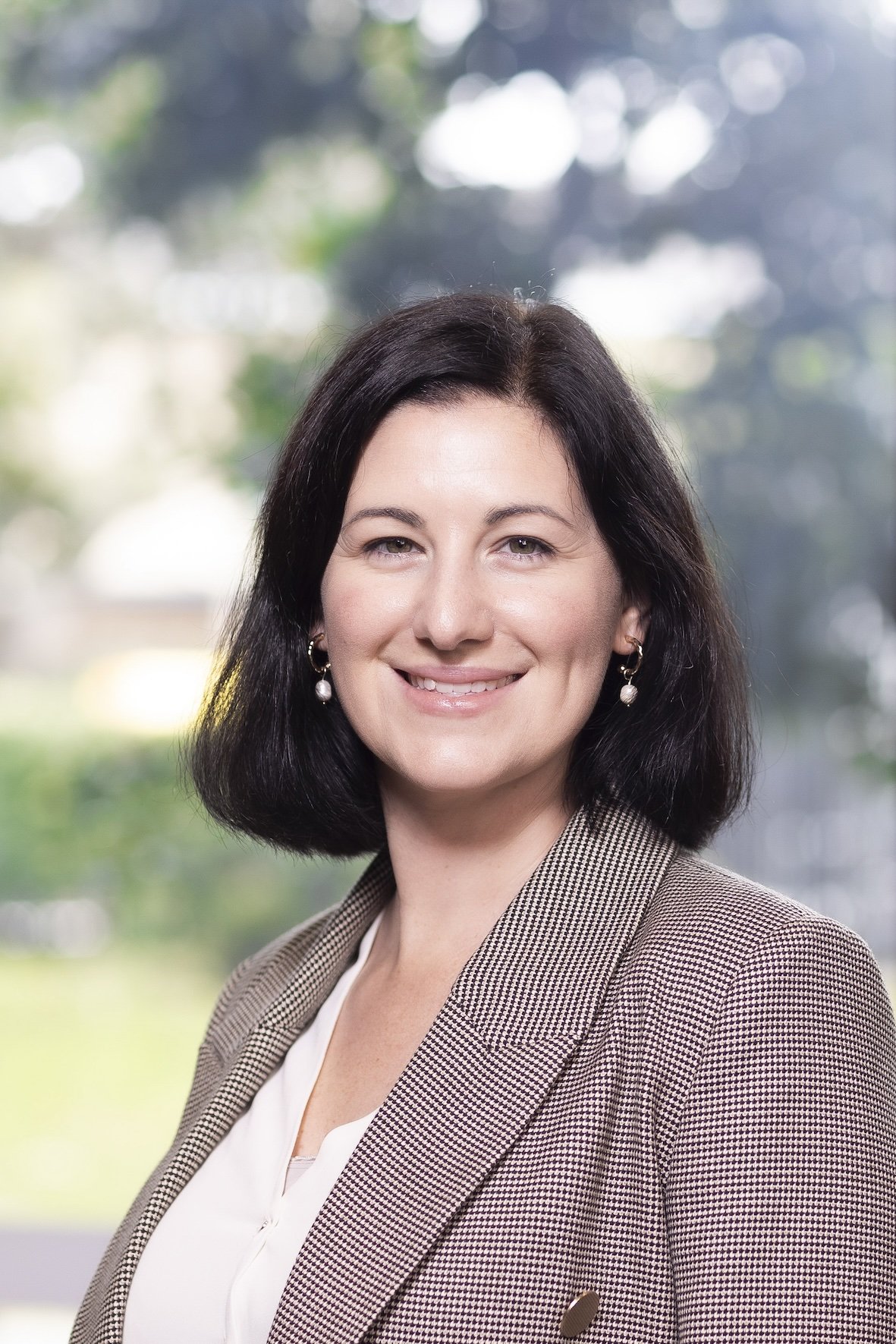
Dr Jasmine Fardouly
Project Lead, University of SydneyDr Jasmine Fardouly is a Senior Lecturer in the School of Psychology at the University of Sydney. Her research examines how social media influences body image and mental health, and develops evidence-based interventions and policy to support healthier online environments.
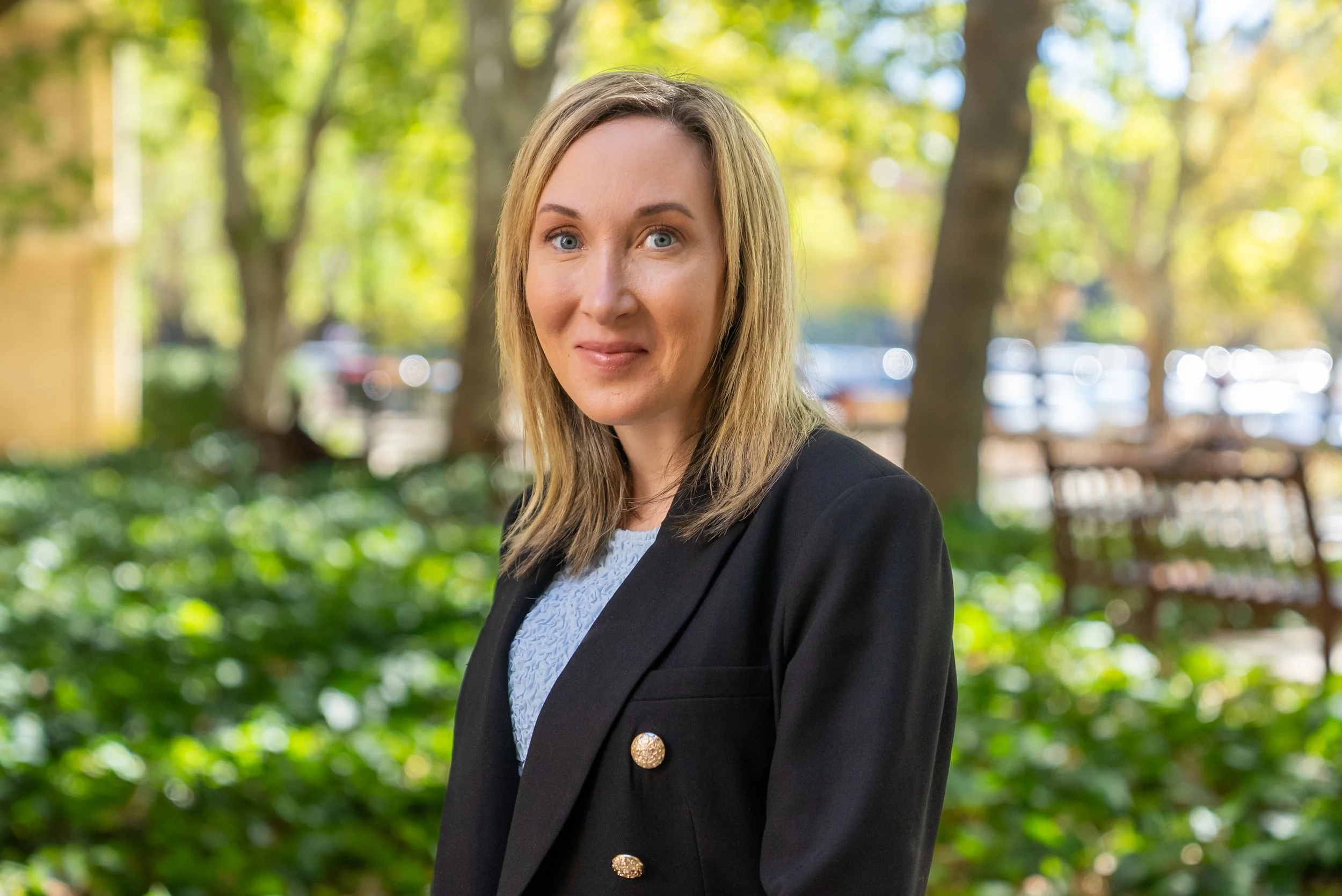
Associate Professor Marilyn Bromberg
Project Lead, University of Western AustraliaAssociate Professor Marilyn Bromberg is Associate Deputy Head of School (Community and Engagement) at UWA Law School and a lawyer at Janssen + Maluga Legal, with research expertise in body image law, public health law, and social media law.
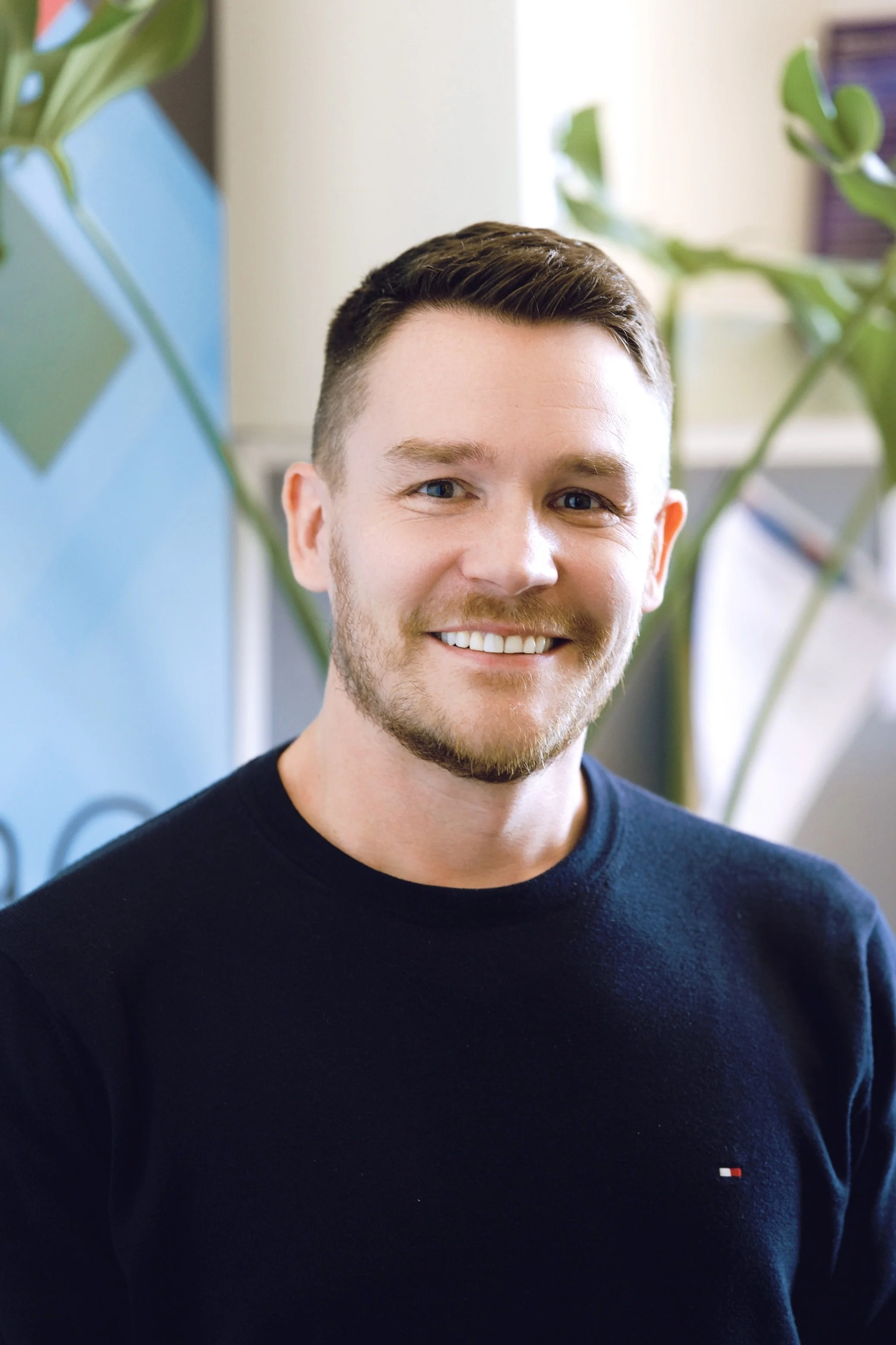
Professor Paul Harrigan
Project Lead, University of Western AustraliaProfessor Paul Harrigan is Deputy Dean at UWA Business School, with research expertise in user engagement on social media, misinformation, and digital transformation.
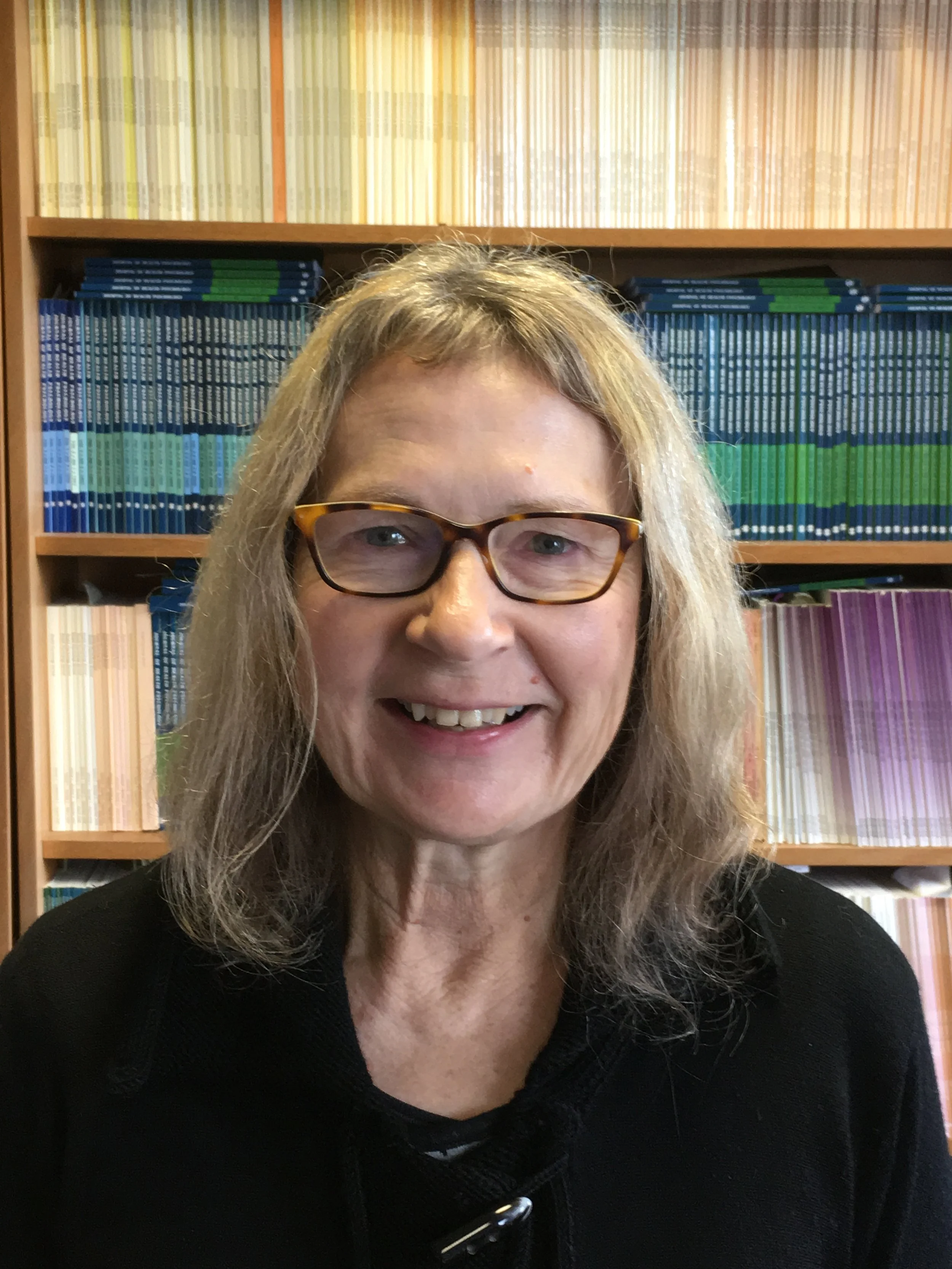
Professor Marika Tiggemann
Project Lead, Flinders UniversityProfessor Marika Tiggemann is Matthew Flinders Distinguished Emeritus Professor in Psychology at Flinders University. Her research centres around body image, with a particular focus on media effects.
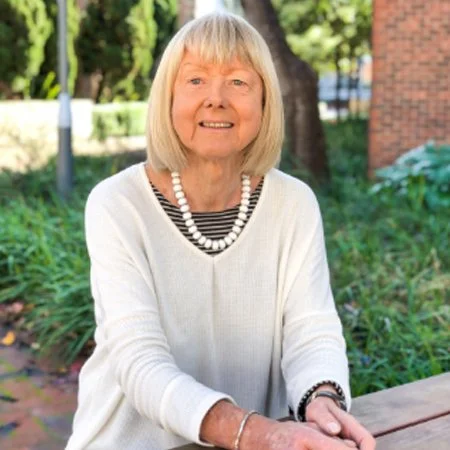
Associate Professor Delia Hendrie
Project Lead, Curtain UniversityAssociate Professor Delia Hendrie works at Curtin University in the School of Public Health. Her key areas of interest include policy and program evaluation, specifically in health settings and health economics.

Professor Bryn Austin
Project Lead, Harvard UniversityProfessor Bryn Austin works in the School of Public Health at Harvard University and Boston Children’s Hospital. Her research focuses on the prevention of eating disorders, with a specific focus on health inequities within marginalised youth, and how findings can be implemented through policy and advocacy.

Charlotte Fonseca
Research Assistant, University of SydneyCharlotte Fonseca is a Research Assistant in the School of Psychology at the University of Sydney with interests in youth mental health.
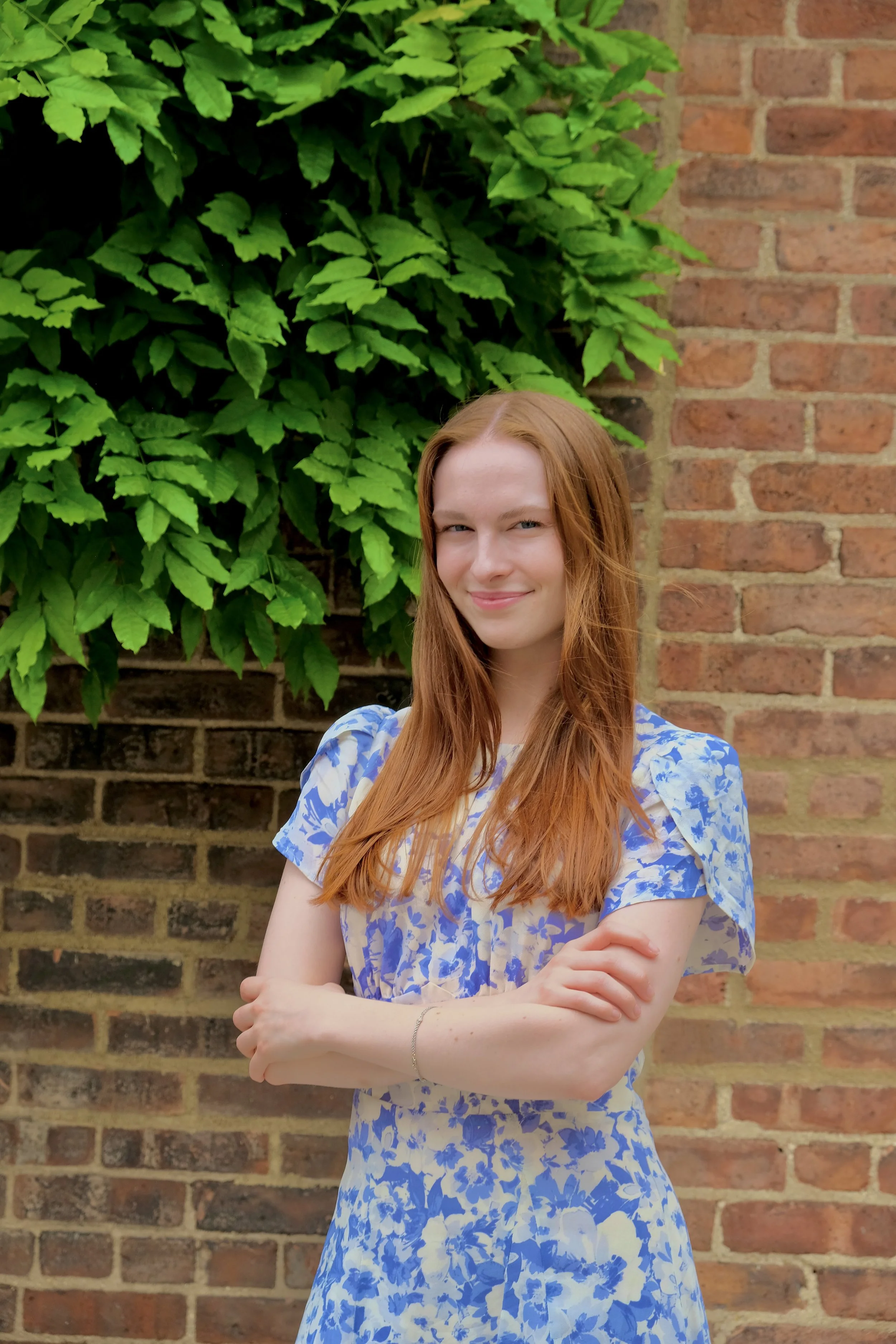
Ashley Chenery
PhD Candidate, University of SydneyUnder the supervision of Dr Jasmine Fardouly, Ashley Chenery’s doctoral research explores the body image effects of exposure to idealized AI-generated bodies in social media advertising.
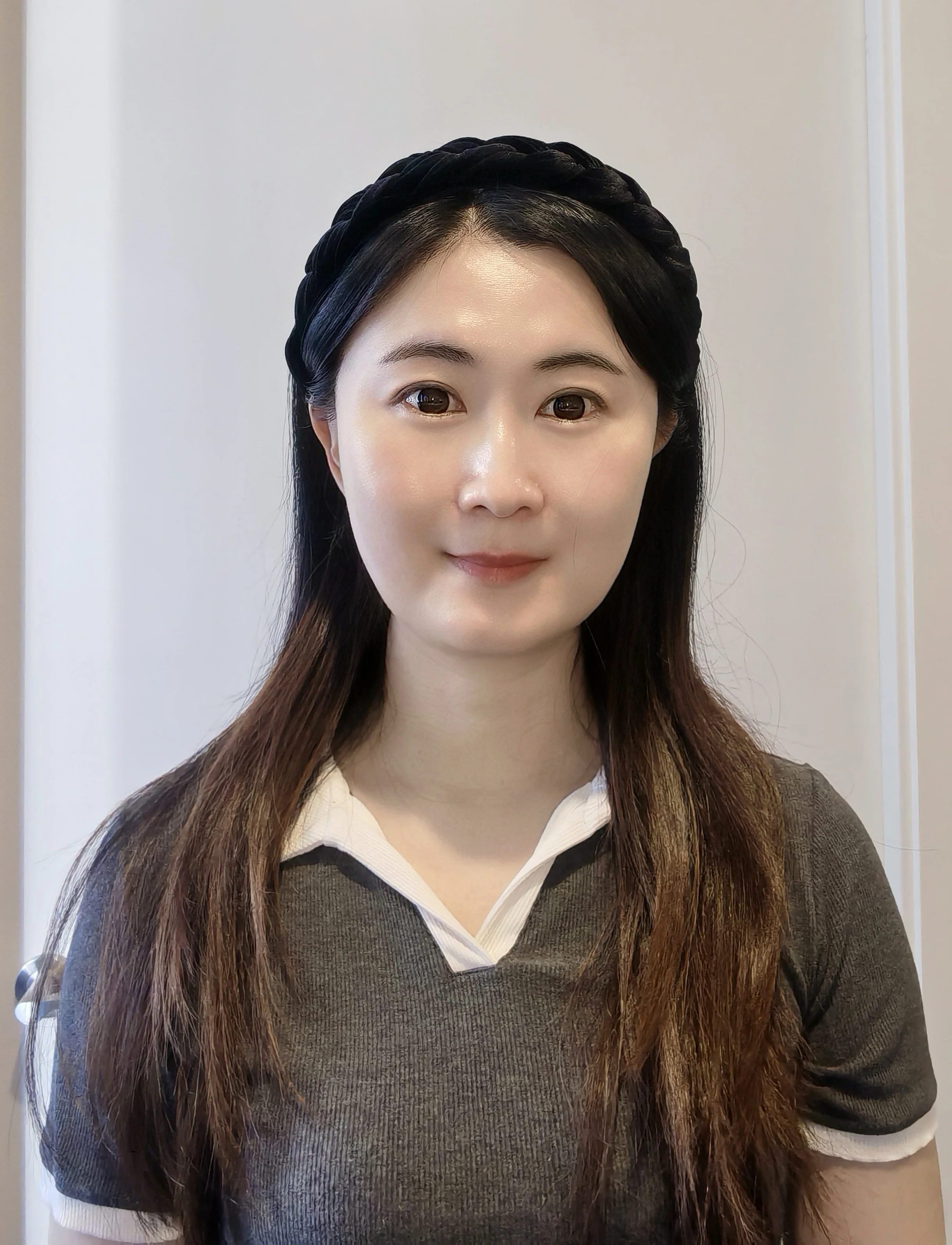
Dr Yichang Gao
Research Fellow, University of Western AustraliaDr Yichang Gao is a Postdoctoral Research Fellow at the AI and Cyber Futures Institute, Charles Sturt University, and a Research Assistant at the UWA Business School, where she uses computational methods to analyse large-scale social media data to identify online harms and inform practical interventions.
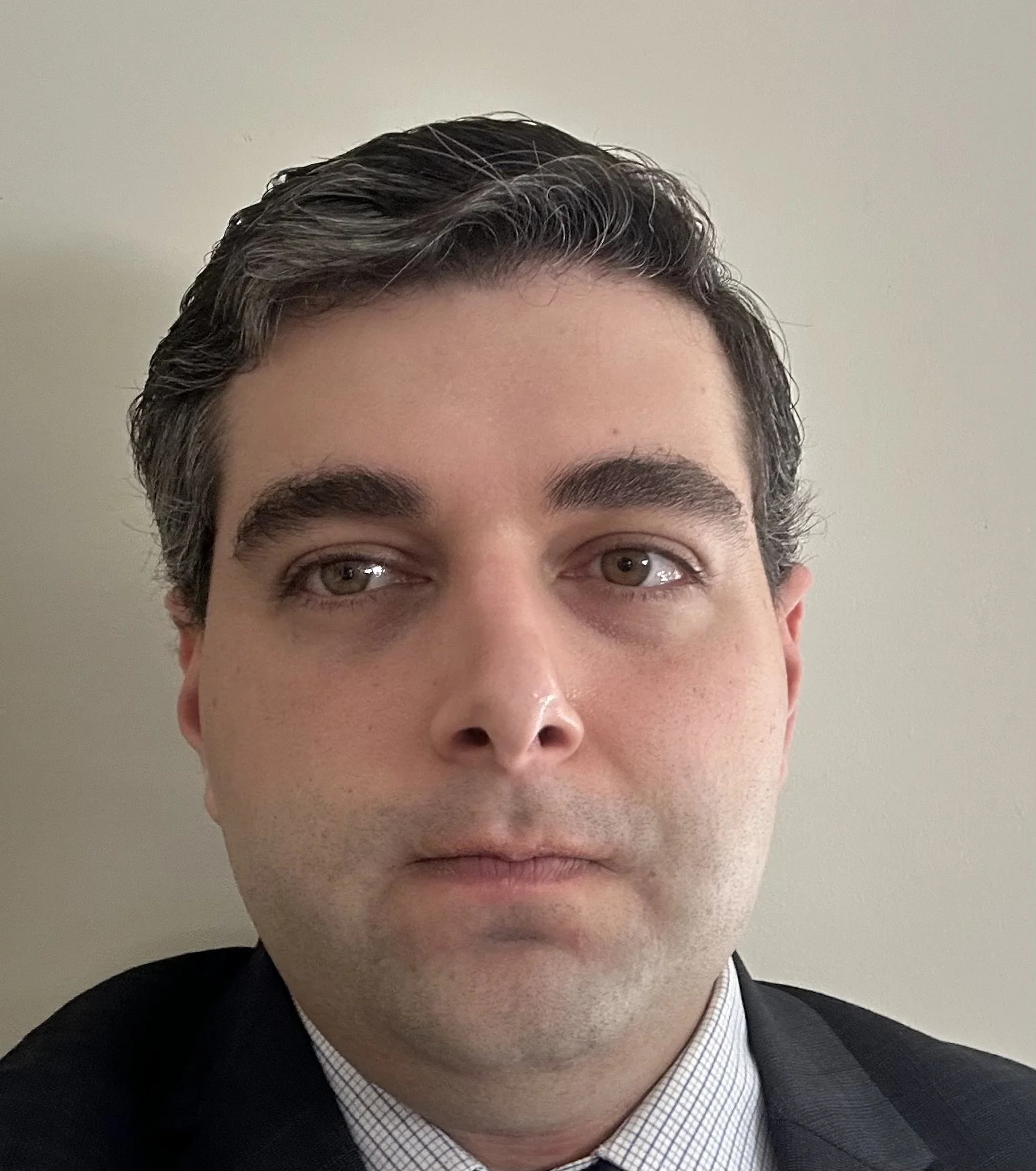
Nicholas Cardaci
Lawyer and Researcher, UWA Law SchoolNicholas Cardaci is a lawyer and researcher at UWA Law School with prior research experience in body image law and social media.
Opportunities
Share your perspective on social media advertising
We are looking for people living in Australia aged 16+ who use social media to participate in a 90-minute focus group.
Click on the link below for more informatiom.